Media & Commentary
Roundtable on “SILENCED: The War on Journalism” Highlights Threats to Press Freedom and the Protection of Journalists
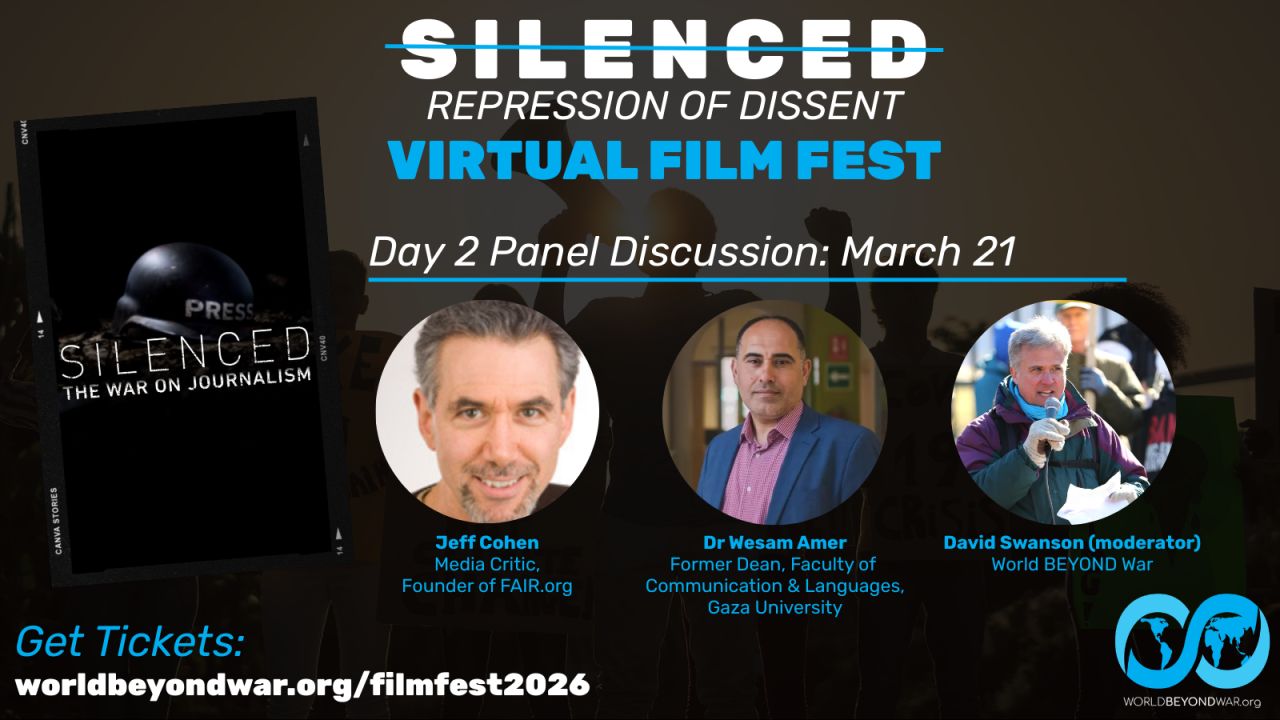
Dr. Wesam Amer participated in the roundtable discussion SILENCED: The War on Journalism, contributing to international debates on press freedom, the safety of journalists, and information control in conflict zones. During the event, he highlighted the challenges facing Palestinian journalists and examined how media framing influences public understanding and accountability.
Dr. Wesam Amer participated in the roundtable discussion “SILENCED: The War on Journalism,” an event dedicated to examining the growing dangers confronting journalists worldwide and the implications of attacks on media freedom in conflict environments.
During the discussion, Dr. Amer focused on developments in Gaza and the West Bank, drawing attention to the risks faced by journalists operating under conditions of conflict and restricted access. He argued that media narratives and reporting practices play a significant role in shaping international perceptions of violence against journalists and influencing broader public responses.
A key aspect of his contribution addressed what he described as structural imbalances in the coverage of Palestinian journalists within parts of the Western media landscape. According to Dr. Amer, the framing of attacks on journalists affects not only how events are reported but also how responsibility, accountability, and public awareness are constructed within international discourse.
The discussion also explored the broader phenomenon of information control during conflict. Participants examined concerns surrounding restrictions on media access, attacks on media infrastructure, and the challenges faced by local journalists who often serve as the primary source of information from conflict-affected areas.
Dr. Amer argued that the targeting of journalists should be understood not only as an attack on individuals but also as a challenge to the production and circulation of knowledge. He warned that the normalization of attacks on journalists and media institutions could establish a dangerous precedent in future conflicts, where restricting information becomes an accepted component of military and political strategy.
The roundtable concluded with calls for stronger support for press freedom, greater protection mechanisms for journalists, and increased attention to the structural conditions that shape media coverage of conflicts. Participants emphasized that safeguarding journalism remains essential for transparency, accountability, and informed public debate.